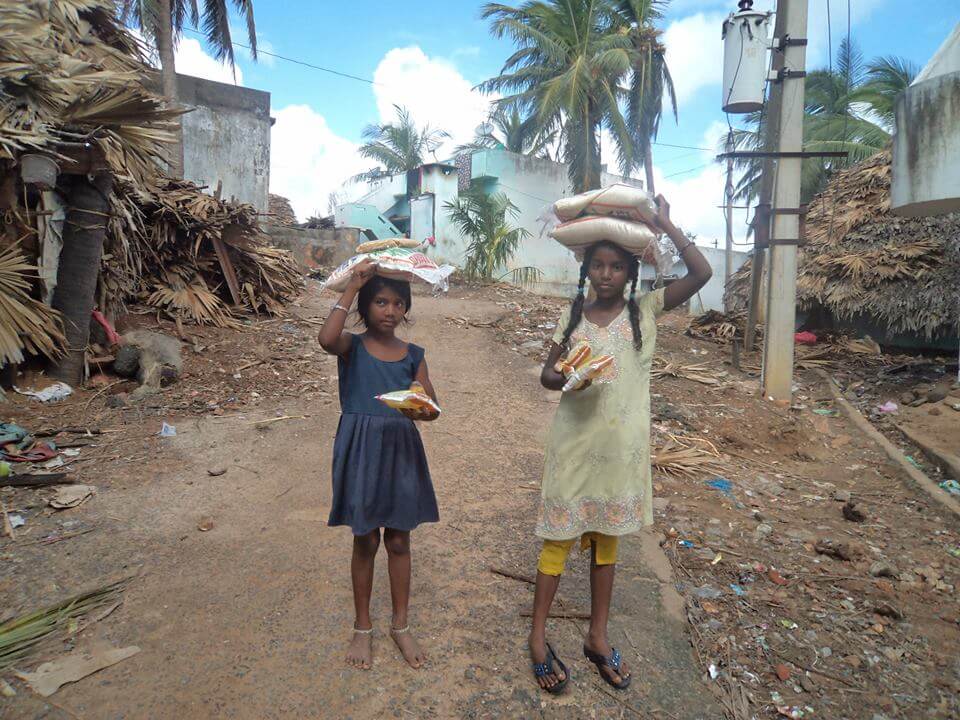
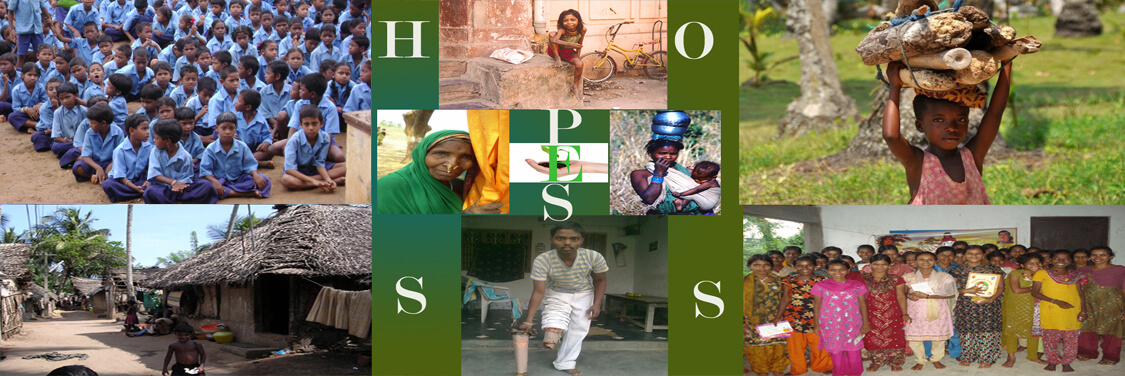
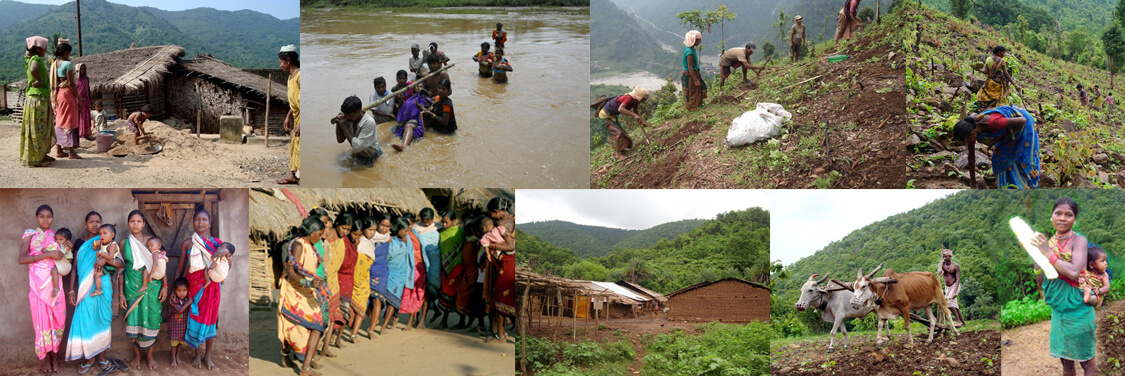
The word Dalit—literally translating to “oppressed” or “broken/crushed”—is generally used to refer to people who were once known as “untouchables” seperated from the rest of society by the caste system. Untouchability, for a fact, is such an acute expression of psychological violence that right from childhood, a Dalit is made to feel that he or she is an inferior being, a person of low intelligence and a person whose life is worth only the service and the betterment of the dominant caste men and women. Dalits are the members of the lowest rank of Indian society. They are supposed to reside outside the village so that their physical presence does not pollute the “real” village. Not only are they restricted in terms of space, but their houses are also supposed to be inferior in quality and devoid of any facilities like water and electricity. Dalits live in mud huts with thatched roofs and dirt floors. Dalits face discrimination at almost every level: from access to education and medical facilities to restrictions on where they can live and what jobs they can have. The discrimination against the Dalits is especially significant because of the number of people affected; Dalits have been oppressed, culturally subjugated, and politically marginalized. The principals of untouchability and “purity and pollution” dictate what Dalits are and are not allowed to do; where they are and are not allowed to live, go, or sit; who they can and cannot give water to, eat with, or marry; extending into the minutia of all aspects of daily life.
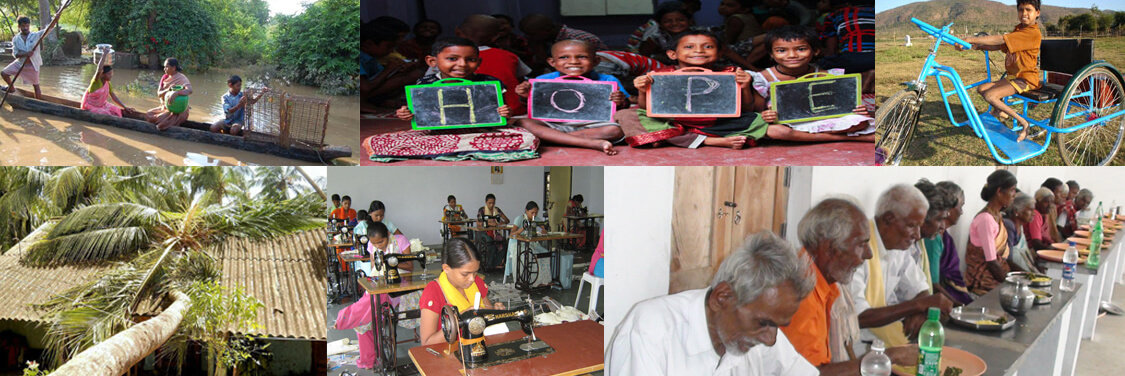
HOPESSS is a Non- Governmental, Charitable, Social Organization committed to the principles
of justice and equality, regardless
of caste, race, gender or religion. This commitment
is expressed by providing access to quality
health care and education, by making
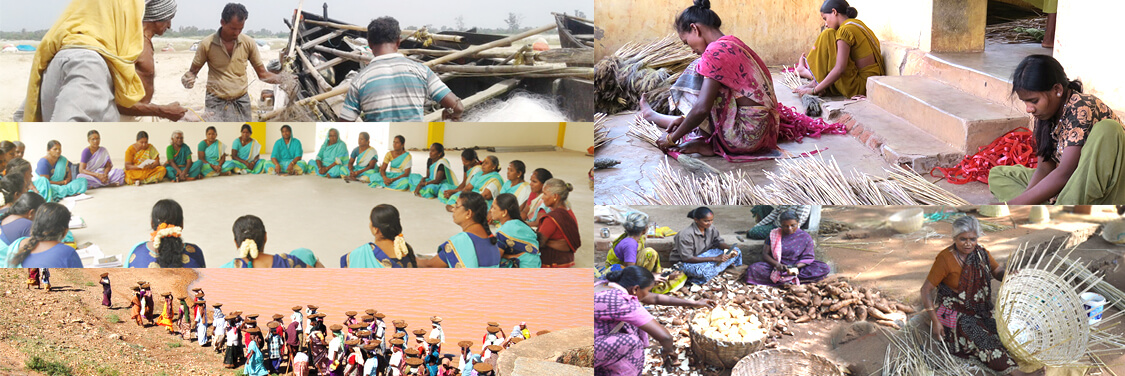
economic opportunities available for
poorest people, and by working
to protect human rights.
HOPESSS redefines the ideological context of the word “Untouchability” to mean three things.
Someone who believes in equality,
Practices equality in his or her life,
and protests inequality wherever he or she sees it.
This redefinition challenges Dalits to be more egalitarian in their own lives, both in terms of inter sub-caste discrimination and sexism; allows for the inclusion of Dalits from different religious backgrounds (Dalits who have converted to a different religion, but still suffer discrimination); and allows for the inclusion of people who are not from the "untouchable" castes, but still believe in values of equality.

The practice of untouchability is also still very common in srikakulam District of Andhra pradesh. The following are some of the forms in which untouchability is practiced:

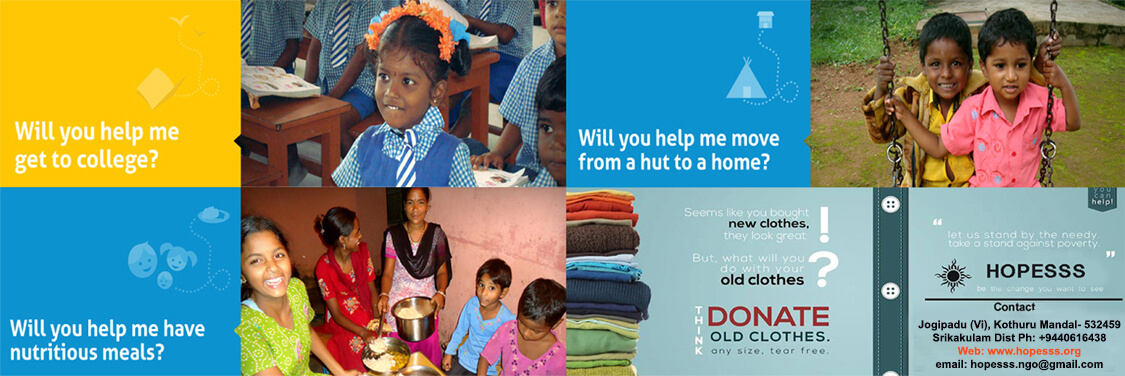
HOPESSS give hopes, who live in desperate situation and offer opportunities for qualitative education which will gradually close the gap between the rich and poor and bring about social change to their communities, build a nation where everyone can live security and dignity. An initiative for social transformation through Holistic Education. Help us to break the cycle of poverty and save precious lives. Your help gives them the bright future.
"At The End Of Our Lives,
We Will Not Be Judged By How
Many Diplomas We Have Received,
How Much Money We Have Made Or
How Many Great Things We Have Done."
We Will Be Judged By... "I Was Hungry And
You Gave Me To Eat. I Was Naked And You
Clothed Me. I Was Homeless And You Took Me in."

“”HELPING HANDS ARE HOLIER THAN THE PRAYING LIPS” LOVE & CARE FOR THE POOR, UNWANTED AND DOWNTRODDEN PEOPLE” – “Touch The Lives Of The Needy”.
St. Mother Theresa

Ours is a battle not for wealth or for power. It is a battle for Freedom. It is a battle for reclamation of Human Personality.